
If your social media feed has suddenly turned into an endless scroll of glass containers packed with beans, herbs, and a glossy dressing, you’re not imagining it. The dense bean salad has officially taken over, and it’s not just a passing food fad. This isn’t your grandmother’s mayo-heavy three-bean salad from a backyard barbecue — it’s a hearty, no-lettuce-required, fork-tender mix of beans, vegetables, and bold flavors that somehow manages to feel indulgent and genuinely good for you at the same time.
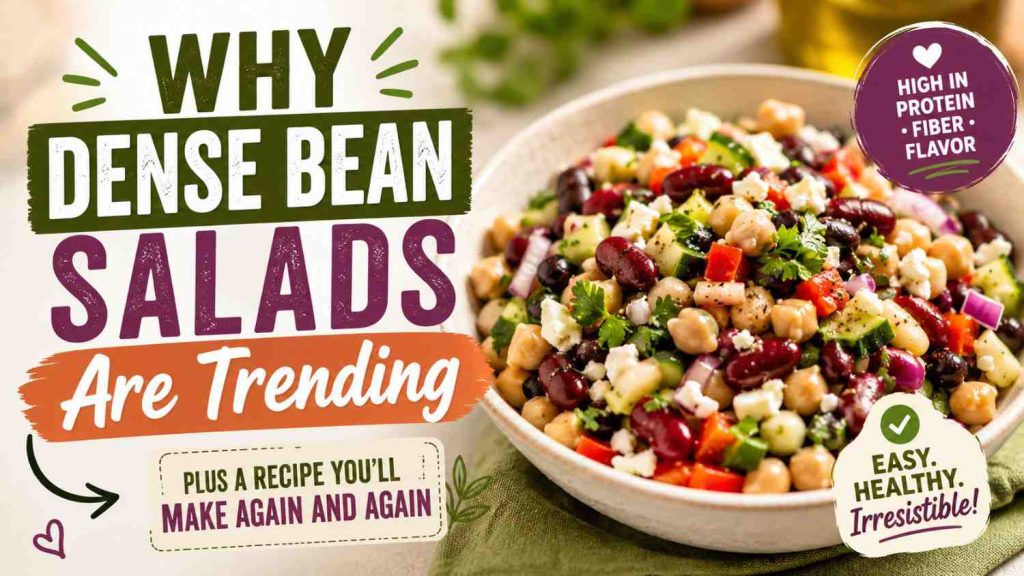
What started as a niche recipe shared by a handful of home cooks has turned into one of the most searched lunch ideas in the country. People are obsessed, and once you understand why, you’ll probably be obsessed too. In this article, we’ll break down exactly what makes a dense bean salad different from a regular salad, why it’s become such a sensation in the United States, and — most importantly — we’ll walk you through a recipe that’s so simple and satisfying, it might just become your new weekly ritual.
What Is a Dense Bean Salad?
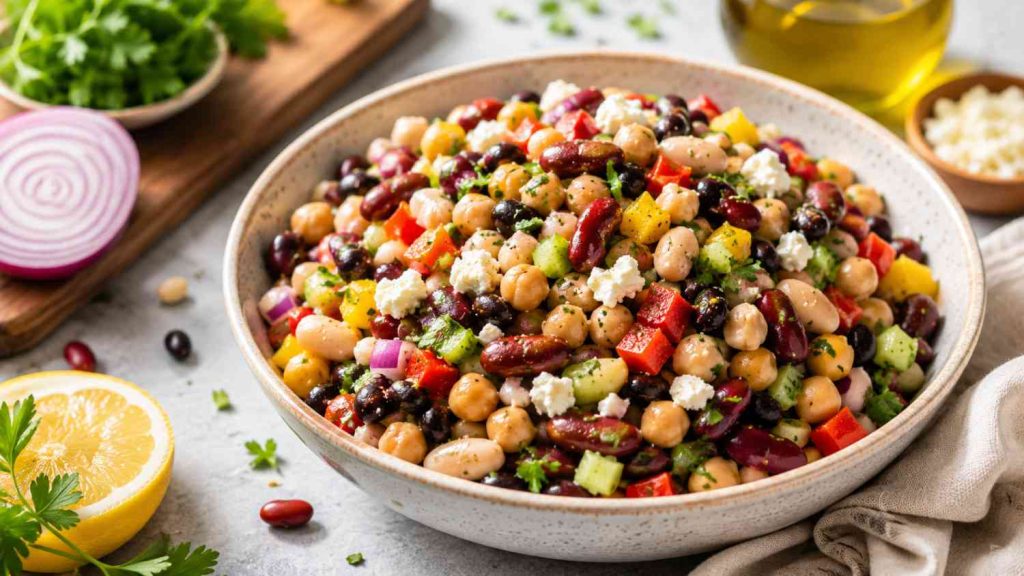
A dense bean salad is exactly what it sounds like: a salad built almost entirely around beans rather than leafy greens. Instead of a few token chickpeas scattered over romaine, this style of salad flips the formula. Beans (often two or three varieties) become the main event, joined by finely chopped vegetables, fresh herbs, cheese, and a punchy, acidic dressing that ties everything together.
The texture is the real star here. Every bite is thick, chewy, and satisfying — nothing like the watery, forgettable salads that leave you raiding the pantry an hour later. Because there’s no lettuce to wilt, a dense bean salad actually improves with time, which is exactly why it has become a meal prep staple. Toss it together on Sunday, and by Wednesday it tastes even better, because the beans have had time to soak up all that flavor.
Why Dense Bean Salads Are Suddenly Everywhere
It seems like every food account, lifestyle influencer, and home cook with a camera phone has posted their own take. So what’s driving the surge?
Social Media Appeal
There’s something undeniably satisfying about watching someone dice a rainbow of vegetables and toss them with beans in a big bowl. The chopping sounds, the vibrant colors, and the final glossy stir have made this recipe a favorite for short-form video content. It photographs beautifully in a glass meal-prep container, which makes it ideal for “what I eat in a day” posts and lunch-prep videos. Add in the fact that it’s genuinely easy to recreate, and you’ve got a recipe practically built for sharing.
Meal Prep Benefits
Unlike traditional green salads that go limp within a day, a dense bean salad holds up beautifully in the fridge for almost a week. That makes it a dream for anyone trying to eat better without spending every evening in the kitchen. One batch, several lunches — it’s meal prep math that actually works out in your favor.
Affordable Healthy Eating
Canned and dried beans are some of the most budget-friendly proteins on the planet. In a year where grocery prices have a lot of people rethinking their weekly shopping list, a recipe that delivers serious nutrition for just a few dollars a serving is bound to catch on. This is healthy eating that doesn’t require a trip to a specialty store or a long list of expensive ingredients.
Health Benefits of Dense Bean Salads
Beyond the trend factor, there’s real substance here — literally. This is one of those rare recipes that’s as good for your body as it is for your taste buds.
High in Protein
Beans are one of the best plant-based protein sources available, and when you load a salad with multiple varieties, the protein content adds up fast. A single serving of a well-built dense bean salad can rival the protein in a piece of grilled chicken, making it a genuine high protein salad option for anyone trying to hit their daily targets without relying solely on meat.
Rich in Fiber
Most Americans don’t get nearly enough fiber in a typical day, and beans are one of the most efficient ways to close that gap. Fiber helps keep digestion running smoothly, supports a healthy gut, and — maybe most importantly for lunch purposes — helps you actually feel full after eating.
Supports Balanced Energy
Because beans combine protein, fiber, and slow-digesting carbohydrates, they help prevent the energy crash that often follows a carb-heavy lunch. Instead of hitting a 3 p.m. slump, you get a steadier release of energy that carries you through the rest of the workday.
Why Americans Love Dense Bean Salads
There’s a reason this particular salad has resonated so strongly in the U.S., where lunch habits and grocery budgets look a little different than they did even a few years ago.
Budget-Friendly Meals
With grocery bills climbing, recipes that stretch a dollar are more appealing than ever. A few cans of beans, a handful of vegetables, and a homemade dressing can feed a family for a fraction of what takeout costs — without skimping on flavor or nutrition.
Busy Lifestyle Solution
Between work, errands, and everything else competing for time, a recipe that takes 20 minutes to prep and lasts all week is exactly what busy households need. This is one of those healthy lunch ideas that doesn’t require daily effort once the initial prep is done.
Perfect for Work Lunches
It travels well, doesn’t need reheating, and tastes just as good cold straight from the fridge as it does fresh. For anyone tired of sad desk lunches, a dense bean salad is a genuine upgrade — no microwave required, no soggy sandwich, just a satisfying scoop straight into a bowl.
Dense Bean Salad vs Traditional Salads
If you’re used to thinking of salads as a light side dish, this comparison might change your mind.
| Feature | Dense Bean Salad | Traditional Green Salad |
|---|---|---|
| Main base | Beans (multiple varieties) | Leafy greens |
| Protein content | High | Often low unless protein is added |
| Fridge life | Up to 5–7 days | 1–2 days before wilting |
| Meal prep friendly | Excellent | Poor |
| Fills you up | Yes, very satisfying | Often needs extra toppings |
| Cost per serving | Low | Varies, often higher |
| Texture | Thick, chewy, hearty | Light, crisp, watery |
| Best for | Lunches, meal prep, summer bean salad spreads | Side dishes, light starters |
How to Build the Perfect Dense Bean Salad
Once you understand the basic framework, you can build endless versions using whatever you have on hand. Here’s the formula:
- Start with two or three types of beans. Mixing textures and colors (like chickpeas, cannellini beans, and black beans) keeps every bite interesting.
- Add a crunchy vegetable element. Finely diced cucumber, bell pepper, celery, or red onion adds contrast to the soft beans.
- Bring in something briny or salty. Feta cheese, olives, or capers add depth and keep the salad from tasting flat.
- Add fresh herbs. Parsley, dill, or basil brighten everything up and make the salad taste fresh rather than heavy.
- Whisk together a bold dressing. A simple combination of olive oil, an acid (lemon juice or vinegar), garlic, and seasoning is all you need.
- Let it rest before serving. Give the salad at least 20–30 minutes in the fridge so the beans can absorb the dressing fully.
Common Mistakes to Avoid
A few small missteps can take this easy bean salad recipe from amazing to just okay. Keep these in mind:
- Skipping the rinse. Canned beans need a good rinse to remove excess sodium and that slightly metallic canned taste.
- Under-seasoning. Beans are mild on their own, so don’t be shy with salt, acid, and herbs.
- Cutting vegetables too large. Dense bean salads work best with small, even dice so every bite has a balanced mix of textures.
- Serving it immediately. This salad genuinely tastes better after it sits, so resist the urge to eat it the second it’s mixed.
- Using only one type of bean. Variety in texture and color makes a big difference in both flavor and visual appeal.
- Forgetting acid. Without enough lemon juice or vinegar, the salad can taste flat and overly heavy.
The Dense Bean Salad Recipe You’ll Make Again and Again
This is the version that keeps people coming back for seconds — and thirds. It’s colorful, hearty, and endlessly adaptable.
Preparation Time: 20 minutes Cook Time: 0 minutes (no cooking required) Servings: 6
Ingredients
- 1 can (15 oz) chickpeas, drained and rinsed
- 1 can (15 oz) cannellini beans, drained and rinsed
- 1 can (15 oz) black beans, drained and rinsed
- 1 cup cherry tomatoes, quartered
- 1 cup cucumber, finely diced
- 1/2 cup red bell pepper, finely diced
- 1/3 cup red onion, finely diced
- 1/2 cup crumbled feta cheese
- 1/3 cup fresh parsley, chopped
- 2 tablespoons fresh dill, chopped
- 1/4 cup extra virgin olive oil
- 3 tablespoons red wine vinegar
- 1 tablespoon lemon juice
- 1 garlic clove, minced
- 1 teaspoon dried oregano
- 1/2 teaspoon salt, plus more to taste
- 1/4 teaspoon black pepper
- Pinch of red pepper flakes (optional)
Instructions
- In a large mixing bowl, combine the chickpeas, cannellini beans, and black beans.
- Add the cherry tomatoes, cucumber, red bell pepper, and red onion to the bowl.
- Sprinkle in the feta cheese, parsley, and dill.
- In a separate small bowl, whisk together the olive oil, red wine vinegar, lemon juice, minced garlic, oregano, salt, pepper, and red pepper flakes if using.
- Pour the dressing over the bean mixture and toss thoroughly until everything is evenly coated.
- Taste and adjust seasoning, adding more salt, vinegar, or lemon juice as needed.
- Cover and refrigerate for at least 20–30 minutes before serving to let the flavors meld.
- Give it one more good stir before serving, since the dressing tends to settle at the bottom.
Nutrition Overview (per serving, approximate)
- Calories: 290
- Protein: 13g
- Fiber: 10g
- Fat: 13g
- Carbohydrates: 32g
This makes it a genuinely protein-packed salad without relying on meat, and the fiber content goes a long way toward keeping you satisfied between meals.
Recipe Tips
- Dice your vegetables small and uniform for the best bite-to-bite consistency.
- Let the salad marinate longer if you have time — even a few hours makes a noticeable difference.
- If you like a tangier flavor, add an extra splash of vinegar right before serving.
- Toast the cumin or oregano briefly in a dry pan before adding for a deeper flavor, if you want to experiment.
Storage Tips
- Store in an airtight container in the refrigerator for up to 5 days.
- Avoid freezing, as the texture of the vegetables and beans doesn’t hold up well after thawing.
- If meal prepping for the week, store the feta separately and add it just before eating to keep it from breaking down too much.
Recipe Variations
- Mediterranean style: Add Kalamata olives, artichoke hearts, and swap feta for goat cheese.
- Southwest style: Use black beans and pinto beans, add corn, diced avocado, and a lime-cumin dressing.
- Italian style: Add sun-dried tomatoes, mozzarella pearls, and fresh basil instead of dill.
- Spicy version: Increase the red pepper flakes and add a diced jalapeño for extra heat.
- Summer bean salad twist: Add fresh corn kernels and diced peaches or mango for a sweet, seasonal contrast — perfect for backyard cookouts.
Meal Prep Guide
This recipe was practically made for meal prep. Here’s how to get the most out of a single batch:
- Double the recipe on Sunday. Since it keeps well, doubling the batch means lunch is covered for most of the week.
- Portion into individual containers. Divide the salad into 4–6 single-serving containers so grabbing lunch takes zero extra effort.
- Keep dressing separate if prepping more than 4 days ahead. This helps maintain the crunch of fresher vegetables like cucumber.
- Label with the date. Bean salads last close to a week, but a quick label keeps track of freshness.
- Add toppings fresh. If you like avocado or extra cheese, add those right before eating rather than during the initial prep.
Best Foods to Serve With Dense Bean Salad
While it’s hearty enough to stand on its own, a few pairings can round out the meal nicely:
- Grilled chicken or shrimp for an extra protein boost
- Warm pita bread or crusty whole-grain bread
- A simple cup of soup for cooler days
- Tortilla chips for a Southwest-inspired version
- A light fruit salad to balance out the savory flavors
Frequently Asked Questions
Are dense bean salads healthy?
Yes. They’re rich in plant-based protein, fiber, and nutrients from fresh vegetables, while typically being lower in calories than many creamy or carb-heavy lunch options.
Can you make bean salad ahead of time?
Absolutely. In fact, dense bean salad tastes better after sitting for a few hours or even a couple of days, since the beans absorb the dressing.
Which beans work best in a dense bean salad?
Chickpeas, cannellini beans, and black beans are popular choices because they hold their shape well and offer different textures and colors.
Is dense bean salad good for weight management?
It can be, since it’s high in fiber and protein, both of which support feelings of fullness and can help reduce overeating later in the day.
How long does dense bean salad last in the fridge?
Most versions stay fresh for 4–5 days when stored in an airtight container, making it ideal for weekly meal prep.
Can I use dried beans instead of canned?
Yes. Just be sure to cook them fully and let them cool before mixing, since dried beans need to be soaked and simmered ahead of time.
Is dense bean salad good for a high protein salad goal?
Yes, especially when made with multiple bean varieties and a cheese like feta, which boosts both protein and flavor.
Can I freeze a dense bean salad?
It’s not recommended, since the vegetables and beans can become mushy once thawed, losing the satisfying texture that makes this salad special.
What dressing works best for a dense bean salad?
A simple vinaigrette made with olive oil, an acid like lemon juice or vinegar, garlic, and herbs works best, since it’s light enough not to overwhelm the beans.
Why is dense bean salad trending right now?
It checks every box people are looking for: it’s affordable, easy to prep, photographs well for social media, and genuinely satisfying — a rare combination that’s made it one of the most talked-about easy bean salad recipes around.
Can kids eat dense bean salad?
Yes, and it’s a great way to introduce more fiber and plant protein into a family’s diet. You can simplify the seasoning or swap in milder vegetables for younger palates.
Conclusion
It’s not hard to see why the dense bean salad has earned its spot as one of the most popular healthy lunch ideas around. It’s affordable, endlessly customizable, and holds up in the fridge in a way that most salads simply can’t compete with. Whether you’re meal prepping for a busy work week, looking for a protein-packed salad that doesn’t rely on meat, or just want a vibrant summer bean salad to bring to your next get-together, this recipe delivers on every front.
Give it a try this week, and don’t be surprised if it becomes a permanent fixture in your meal rotation. If you loved it, save this recipe, share it with a friend who’s always asking what to make for lunch, and don’t forget to put your own spin on it next time you make a batch.

 English