
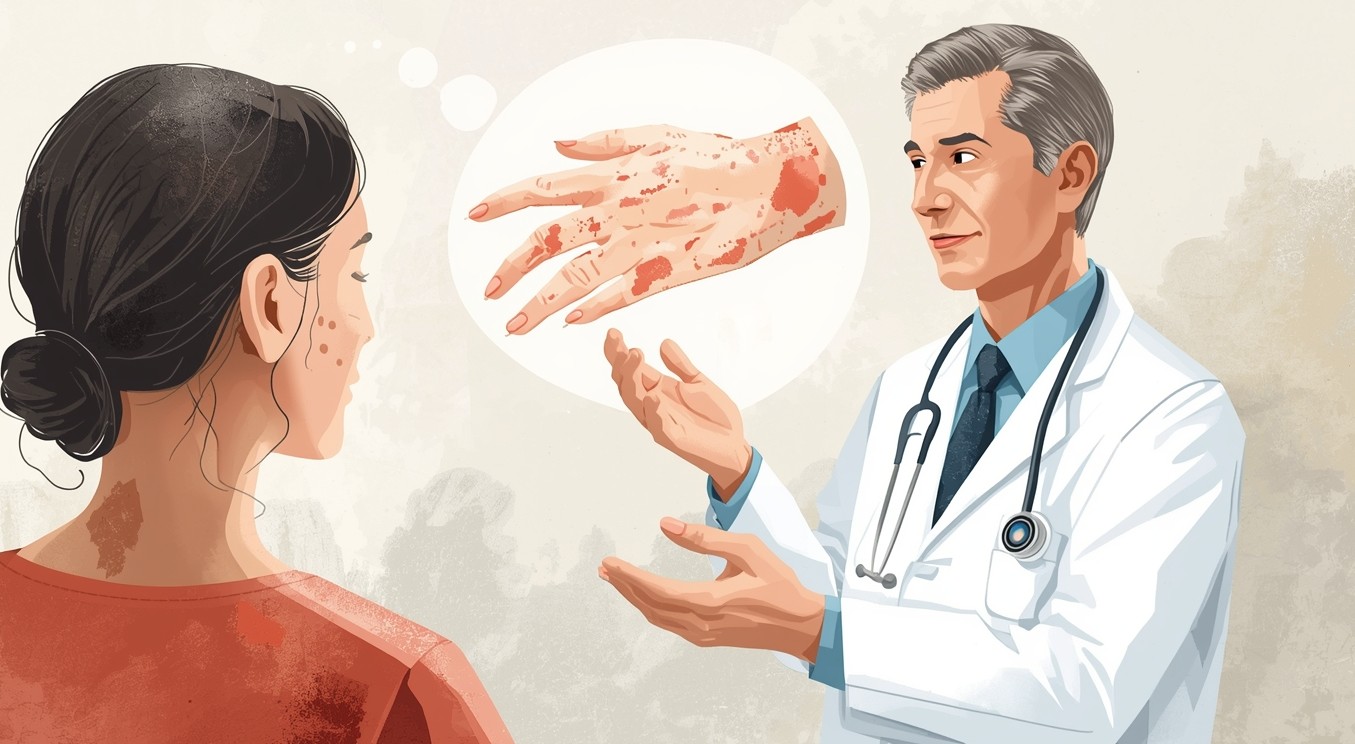
Leprosy is a very old disease, and fear and misconceptions about it still persist in society today. It was once considered incurable, but modern medical science has proven that leprosy is completely curable.
In this blog, we will learn how to cure leprosy, its history, causes, symptoms, treatment, and the scientific information related to leprosy and armadillos.
What Is Leprosy Disease?
Leprosy, also known as Hansen’s disease, is a chronic infectious disease caused by the bacteria Mycobacterium leprae. It mainly affects:
- Skin
- Peripheral nerves
- Eyes
- Upper respiratory tract
The disease develops very slowly, sometimes taking 5–20 years for symptoms to appear.
Leprosy does not spread easily and is fully curable with proper medical treatment.
History of Leprosy Disease
The history of leprosy disease dates back more than 4,000 years. Evidence of leprosy has been found in ancient Egyptian, Indian, and Chinese records.
The history of leprosy is as old as civilization itself, woven into the fabric of countless cultures as a symbol of divine punishment and social ruin. Ancient texts from India, Egypt, and China describe conditions that match the symptoms of leprosy.
For centuries, the response was one of brutal isolation. Across the globe, from Europe to Hawaii and remote islands, “leper colonies” sprang up, where sufferers were forcibly exiled, often after a formal “funeral” that declared them dead to society. This fear was rooted in misunderstanding; people believed it was highly contagious and incurable.
The tide began to turn in 1873 when the Norwegian physician Gerhard Armauer Hansen identified M. leprae under a microscope – the first bacterium known to cause disease in humans. This proved that leprosy was not a curse but an infection, paving the way for the scientific search for a cure. The 20th century saw the development of the first effective drugs, culminating in the World Health Organization’s (WHO) revolutionary multidrug therapy (MDT) in the 1980s, which completely transformed the landscape.
Causes of Leprosy
Leprosy is caused by the bacterium Mycobacterium leprae, and in rare cases by Mycobacterium lepromatosis.
These bacteria:
- Grow very slowly
- Prefer cooler parts of the body
- Attack nerves and skin
- Multiply over long periods
Not everyone exposed to the bacteria becomes sick, as most people have natural immunity.
How Leprosy Spreads
Leprosy spreads mainly through:
- Prolonged close contact with untreated patients
- Droplets released from the nose or mouth during coughing or sneezing
It does not spread through:
- Touching
- Handshakes
- Hugging
- Sharing food
- Sexual contact
- Casual daily interaction
Once treatment begins, the person is no longer infectious.
Leprosy Disease and Armadillos
One unique and interesting topic in medical science is the connection between leprosy disease and armadillos.
Why Armadillos?
Armadillos are one of the few animals that can naturally carry Mycobacterium leprae. Their body temperature is lower than humans, which allows the bacteria to survive.
How Are They Related?
- In some regions (especially parts of the Americas), armadillos can carry leprosy bacteria.
- Rare cases show transmission from armadillos to humans.
- This usually happens through direct handling or consumption of infected animals.
Important Clarification
- This form of transmission is very rare.
- Most human leprosy cases come from human-to-human contact.
- Avoiding direct contact with wild armadillos reduces risk.
This connection has helped scientists study the disease better and develop treatments.
Types of Leprosy
Leprosy is classified based on severity and bacterial load:
1. Paucibacillary (PB) Leprosy
- Few skin patches
- Mild symptoms
- Low bacteria count
- Easier to treat
2. Multibacillary (MB) Leprosy
- Many lesions
- Severe nerve damage
- High bacterial load
- Needs longer treatment
Early Signs and Symptoms of Leprosy
Early detection helps prevent disability. Common early symptoms include:
- Light or reddish skin patches
- Loss of sensation (numbness)
- Tingling in hands or feet
- Dry or scaly skin
- Muscle weakness
- Reduced sweating
- Thickened nerves
Symptoms develop slowly and may go unnoticed for years.
Advanced Symptoms and Complications
Without treatment, leprosy may cause:
- Permanent nerve damage
- Deformities of hands and feet
- Clawing of fingers
- Chronic wounds
- Vision loss
- Secondary infections
- Disability
These complications are preventable with timely care.
How Leprosy Is Diagnosed
Doctors diagnose leprosy using:
- Physical examination
- Sensory testing
- Skin smears
- Biopsy
- Medical history
Early diagnosis is key to successful recovery.
How to Cure Leprosy Disease
The most important point to understand is that leprosy is 100% curable.
The standard and proven method for how to cure leprosy disease is Multidrug Therapy (MDT), recommended by the World Health Organization (WHO).
Once treatment begins:
- Bacteria stop multiplying
- Disease stops spreading
- Recovery gradually begins
Multidrug Therapy (MDT) Explained
MDT is a combination of antibiotics used together to kill leprosy bacteria completely.
Benefits of MDT:
- Highly effective
- Prevents drug resistance
- Safe for long-term use
- Provided free in many countries
- Stops transmission quickly
This therapy has cured millions worldwide.
Treatment Duration and Recovery Process
Recovery takes time because leprosy progresses slowly.
- Improvement happens gradually
- Skin changes fade slowly
- Nerve healing may take longer
- Regular checkups are important
With patience and consistency, most people return to normal life.
Why Early Treatment Is Important
Early treatment:
- Prevents disability
- Stops disease progression
- Reduces spread
- Protects nerve function
- Improves quality of life
Delaying care can cause avoidable complications.
Prevention of Leprosy
Leprosy prevention includes:
- Early detection and treatment
- Avoiding long-term close contact with untreated cases
- Community awareness
- Good hygiene
- Vaccination (BCG offers partial protection)
Living a Normal Life With Leprosy
People affected by leprosy can live normal lives:
- Work normally
- Study and travel
- Get married
- Live with family
- Participate fully in society
With treatment, patients are not infectious and should never be isolated.
Nutrition and Lifestyle During Recovery
A healthy lifestyle supports healing:

Recommended:
- Protein-rich foods
- Fruits and vegetables
- Clean water
- Adequate sleep
- Proper wound care
Avoid:
- Smoking
- Alcohol
- Skipping medication
Social Stigma and Awareness
Stigma is often more harmful than the disease itself.
Education helps people understand:
- Leprosy is curable
- It is not highly contagious
- Patients deserve dignity and respect
Awareness campaigns are essential to eliminate fear.
Role of WHO and Government Programs
The World Health Organization and governments provide:
- Free MDT medicines
- National leprosy eradication programs
- Training for healthcare workers
- Disability prevention services
- Public awareness campaigns
These efforts aim to eliminate leprosy globally.
Frequently Asked Questions (FAQs)
Q1. Is leprosy curable?
Yes, leprosy is completely curable with MDT.
Q2. Can leprosy return after treatment?
Relapse is rare if treatment is completed properly.
Q3. Is leprosy contagious after treatment starts?
No, patients are not contagious once treatment begins.
Q4. Can children get leprosy?
Yes, but early diagnosis prevents complications.
Conclusion
Leprosy is not a curse, but a completely curable disease. Today, science has proven that curing leprosy is a simple and safe process.
Understanding the history of leprosy disease, recognizing the role of leprosy disease and armadillos, and spreading awareness are essential steps toward eliminating stigma and ensuring early treatment for all.

 English